
The 5 Best Nonprofits (Environment, Conservation & Sustainability) Around Vail Valley
Colorado's mountain landscapes provide clean waterways, wildlife habitat and recreational opportunities that shape daily life throughout the region. Protecting these resources requires collaboration among conservation organizations, scientists, volunteers and community members who recognize the importance of responsible environmental stewardship. Local nonprofits address challenges ranging from watershed health and trail maintenance to sustainability education and the preservation of natural history. Their programs combine practical conservation work with public outreach, helping residents understand how individual actions affect the surrounding environment. The Best of Vail Valley recognizes nonprofit organizations whose efforts support environmental conservation, sustainability and the protection of the region's natural resources.
The Community Market Edwards
The Community Market Edwards, a program of Eagle Valley Community Foundation, addresses food insecurity while reducing waste and supporting a more sustainable local food system. Through its Edwards and Gypsum storefronts and Mobile Markets, the organization provides fresh produce, dairy, meat and other groceries to more than 6,000 individuals each week. Its food rescue partnerships with grocery stores, restaurants and farms redirect surplus food to families, while remaining scraps can support animal feed or composting. The Community Market also operates a community garden that grows nearly 30 varieties of fruits, vegetables and herbs, strengthening local food production and expanding access to nutritious food.
Vail Valley Mountain Trails Alliance (VVMTA)
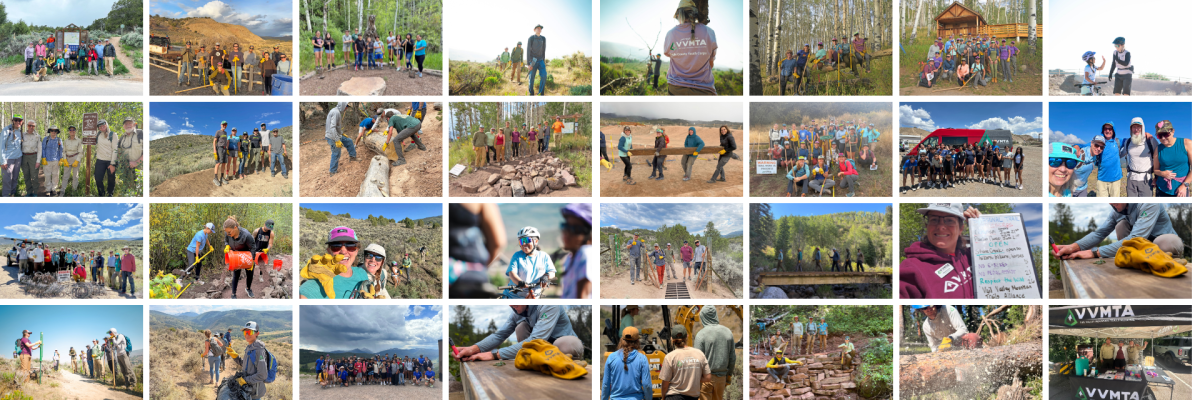
Vail Valley Mountain Trails Alliance maintains, develops and advocates for sustainable trail systems throughout Eagle County, balancing outdoor recreation with environmental stewardship. The nonprofit works alongside public land managers to construct trails, repair erosion damage and protect sensitive natural areas through its professional Trails and Stewardship Crew. Its Adopt A Trail program brings together local businesses, organizations and volunteers for ongoing maintenance projects, while the Youth Trail Stewards initiative introduces young participants to trail construction and conservation practices. Through educational outreach and partnerships, VVMTA encourages responsible recreation and helps preserve access to the region's public lands.
Walking Mountains Science Center
Walking Mountains Science Center in Avon connects environmental education with practical sustainability initiatives that support communities throughout Eagle County. The nonprofit offers school programs, summer science camps, guided nature experiences and interactive exhibits that encourage participants to explore local ecosystems and understand environmental challenges. Its sustainability efforts include energy efficiency education, waste reduction initiatives and collaborative programs that help businesses and residents adopt more environmentally responsible practices. Through partnerships with schools, local governments and community organizations, Walking Mountains promotes scientific literacy and encourages long-term stewardship of Colorado's natural resources.
Eagle River Coalition
Eagle River Coalition protects the Eagle River and Upper Colorado River watersheds through scientific monitoring, environmental restoration, education and advocacy. The nonprofit coordinates a long-running water quality monitoring partnership that tracks changes in river conditions and provides information to guide conservation decisions. Its restoration projects address streambank erosion, damaged riparian habitat, stormwater pollution and invasive plants, while annual community cleanups mobilize volunteers to remove trash from roadsides and waterways. Eagle River Coalition also supports water conservation through its Beyond Lawn initiative and offers educational programs that help residents understand the importance of healthy rivers and sustainable water management.
The Museum At Dinosaur Junction
The Museum at Dinosaur Junction in Edwards preserves Colorado's paleontological heritage through fossil research, educational exhibits and the conservation of prehistoric specimens. Its collections explore approximately 200 million years of regional history, including fossils from the Triassic, Jurassic and Cretaceous periods and discoveries from the Western Interior. The museum works to preserve scientific materials while developing a reference library focused on fossils and paleontological history from Colorado's high country. Through exhibitions and educational experiences, the organization helps visitors understand ancient ecosystems, geological change and the importance of preserving natural history for future generations.
– Created or enhanced with ChatGPT
Vail Valley Mountain Trails Alliance (VVMTA)
Edwards, CO 81632
Walking Mountains Science Center
-
2026 Winner
Avon, CO 81620
Live Updates from Walking Mountains Science Center
Eagle River Coalition
Gypsum, CO 81637
The Museum At Dinosaur Junction
-
2026 Finalist
Edwards, CO 81632
{{ business.name }}
Browse {{ bestofTitle }} Winners
Browse Previous Winners
{{ bestof.title }}

